
Guru Gobind Singh Gurdwara: A Beacon of Peace and Harmony in Himachal Pradesh
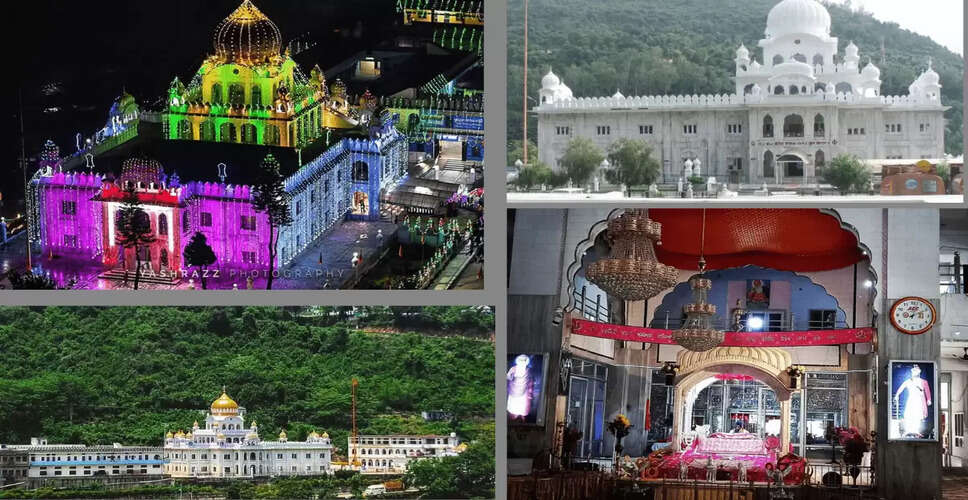
A Historic Shrine on the Banks of Beas River
Nestled along the tranquil banks of the Beas River near Paddal Ground on the Old Mandi-Kullu Road, the Guru Gobind Singh Gurdwara stands as a significant and cherished site in Himachal Pradesh.
As devotees gather to celebrate the Gurpurb of Guru Nanak Dev, the atmosphere in Mandi resonates with deep spiritual fervor, reminiscent of the great Guru's presence in this sacred region.
A Spiritual Connection with Guru Gobind Singh Ji
This gurdwara is profoundly linked to Sri Guru Gobind Singh Ji, the tenth Guru of the Sikhs. Historical accounts suggest that Guru Sahib, accompanied by Mata Ji and his followers, visited Mandi at the invitation of Raja Sidh Sen, the ruler of the former princely state.
A Humble Stay and a Divine Episode
Upon his arrival in Mandi, Raja Sidh Sen offered his palace for the Guru's accommodation. However, in a display of humility, Guru Sahib opted to set up his tents by the Beas River, symbolizing his connection to nature. The royal family graciously hosted Mata Ji and the Sikh women in the palace, a gesture that is fondly remembered.
During his extended stay of over six months, a significant event unfolded. As the Guru prepared to leave, Raja Sidh Sen expressed concerns about the potential threat from Mughal forces and sought assurance for Mandi's safety.
In response, Guru Gobind Singh aimed his musket at a clay pitcher floating in the river and fired. The bullet struck the pitcher, yet it remained intact and afloat. The Guru smiled and proclaimed, 'Just as this pitcher survives, so shall Mandi be protected. Those who attempt to plunder it will face divine consequences.' This blessing is believed to continue safeguarding the town.
Preserving the Legacy
The Guru Gobind Singh Gurdwara, lovingly cared for by the descendants of Mandi's royal lineage, houses several sacred artifacts associated with the Guru, including his manji (bed), rabab (musical instrument), bandookh (musket), gun kuppy (powder horn), and talai (mattress).
A prominent rock in the Beas River, visible from the gurdwara, is revered as the spot where Guru Sahib often meditated. The serene waters and surrounding hills are believed to still resonate with the Guru's divine essence.
Mandi: A Tapestry of Faiths
Historically known as Mandav Nagar or Sahor, Mandi has always been a melting pot of spiritual traditions, featuring ancient temples alongside Sikh shrines. Today, it is one of the few towns in Himachal Pradesh where a vibrant Sikh community coexists harmoniously with the local Himachali populace. The joint celebrations of Gurpurb and local festivals exemplify Mandi's enduring spirit of unity and respect.
As the evening shabad kirtan fills the gurdwara and the warm glow of lamps reflects on the Beas waters, the essence of Guru Gobind Singh Ji's teachings comes alive—embodying courage with compassion, strength with humility, and unwavering faith.
A Divine Legacy
The Guru's visit to Mandi transcended mere historical significance; it represented a divine convergence of devotion and destiny. To this day, every prayer emanating from the Guru Gobind Singh Gurdwara near Paddal Ground carries the timeless blessing that Mandi will remain protected, peaceful, and blessed.