
Assam Government to Establish Counter-Radicalisation Cell to Safeguard Youth

New Initiative to Combat Extremism in Assam
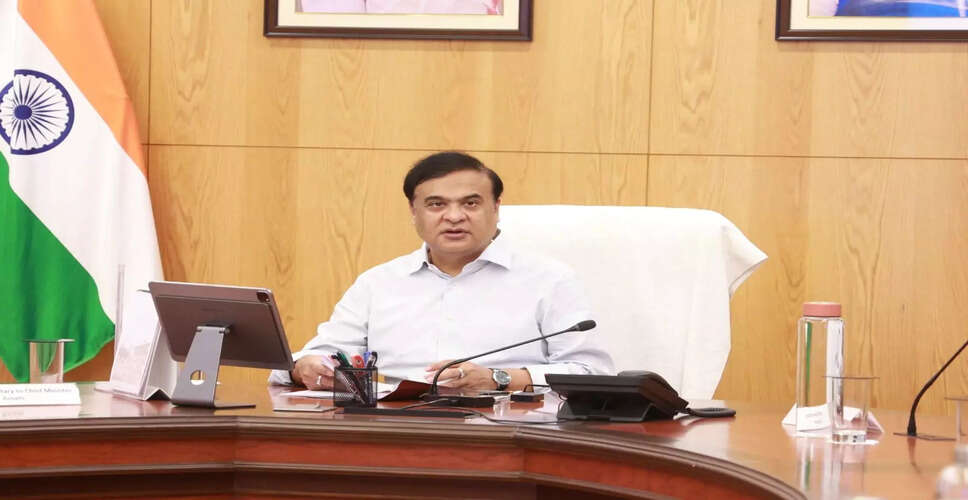
A file image of Assam CM Himanta Biswa Sarma. (Photo:X)
Guwahati, May 24: On Sunday, Chief Minister Himanta Biswa Sarma revealed plans for the establishment of a specialized counter-radicalisation cell aimed at shielding at-risk youth from extremist influences, in light of rising concerns regarding cross-border radical networks in the area.
Sarma emphasized the government's commitment to counter any efforts to mislead or radicalize the youth of Assam.
“We will not permit any group or individual to mislead our youth and jeopardize their future through radicalization. Assam will respond decisively,” the chief minister stated in a social media post.
He mentioned that the new counter-radicalisation cell would be created to safeguard susceptible youth from extremist ideologies, although specifics regarding its structure or operational details were not provided.
This announcement follows remarks made by Lakshman Prasad Acharya during his inaugural address to the 16th Assam Legislative Assembly on May 22, where he highlighted the government's intention to enhance legislative and administrative measures against radicalization and related threats.
Acharya stated, “A dedicated Counter-Radicalisation Cell shall be established to prevent vulnerable youth from extremist influence and to promote constitutional values, social harmony, and national unity.”
The initiative is particularly relevant given intelligence reports indicating efforts by various Bangladesh-based extremist groups to recruit and radicalize youth in Assam and other Northeastern states.
Security agencies have previously raised alarms about the activities of banned organizations such as Jamaat-ul-Mujahideen Bangladesh, Ansarullah Bangla Team, and Ansar-Al-Islam/pro-AQIS, which are reportedly targeting at-risk youth through online propaganda and encrypted communication methods.
In December of the previous year, the Assam government banned all forms of radical literature, both print and digital, associated with prohibited extremist groups.
In January 2026, officials indicated that Bangladesh-based jihadi factions like Imam Mahamuder Kafila (IMK), thought to be a splinter of JMB, were attempting to incite extremist activities in Assam and Tripura.
Investigations into these networks have suggested the use of encrypted social media platforms, including a Telegram group named “Purba Akash,” to disseminate radical literature, promote extremist propaganda, and recruit youth from districts such as Barpeta and Chirang.
Police sources have also reported that some recruits from Assam have traveled to Bangladesh for training, while secret meetings were allegedly held to indoctrinate local youth and foster support for violent extremist ideologies.