
Understanding World Stroke Day: Key Signs and Urgent Actions
World Stroke Day: October 29
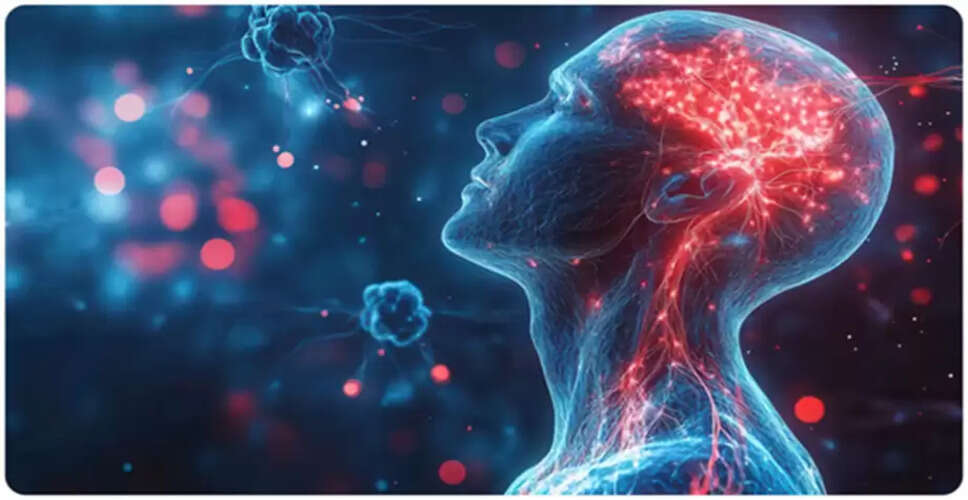
World Stroke Day, observed on October 29: A staggering statistic reveals that every four minutes, someone succumbs to a stroke globally. This medical emergency occurs when blood flow to a section of the brain is interrupted, leading to the death of brain cells. It is crucial for everyone to be informed about this serious health issue.

Each year, World Stroke Day aims to enhance awareness regarding the significant risks and symptoms associated with strokes. As one of the primary causes of mortality and disability worldwide, medical professionals emphasize that recognizing the early indicators within the first hour can be life-saving and can reduce long-term effects.
To remember the symptoms of a stroke, use the acronym "FAST," which should always be taken seriously. These symptoms can manifest suddenly and swiftly. Alarmingly, due to factors like high blood pressure, diabetes, and unhealthy lifestyles, strokes are increasingly affecting younger individuals aged 30 to 40, highlighting the need for immediate awareness and action.
Recognizing Stroke Symptoms
F (Face - Facial Drooping)
The initial noticeable sign of a stroke is facial drooping. If one side of the face suddenly becomes weak or droops, it serves as a warning. Ask the individual to smile; if the smile appears uneven or if saliva drips from one corner of the mouth, this could indicate a stroke. Be vigilant as soon as these symptoms arise.
A (Arm - Arm Weakness)
The second indicator relates to the arms. If a person's arms or hands suddenly feel numb or weak, this is another significant warning. Request that they raise both arms at the same time. If one arm falls or is difficult to lift, it suggests that blood flow to the brain has been compromised. Seek medical assistance immediately if this occurs.
S (Speech - Speech Difficulties)
This symptom is critical and should never be overlooked. If an individual starts to slur their speech or struggles to articulate words while understanding everything, it indicates severe brain damage. Do not confuse this with sleepiness or anxiety; in such cases, prompt medical help is essential.
T (Time - Seek Immediate Help)
If you observe any of the aforementioned signs (face, arm, speech), do not hesitate. 'T' signifies the urgency to call for an ambulance right away. The initial minutes following a stroke are referred to as the 'golden hour.' The quicker the treatment is administered during this period, the higher the chances of survival and the lower the risk of lasting disability.
PC Social Media