
Understanding the Importance of Removing Laptops at Airport Security
Why You Need to Remove Your Laptop at Security Checks
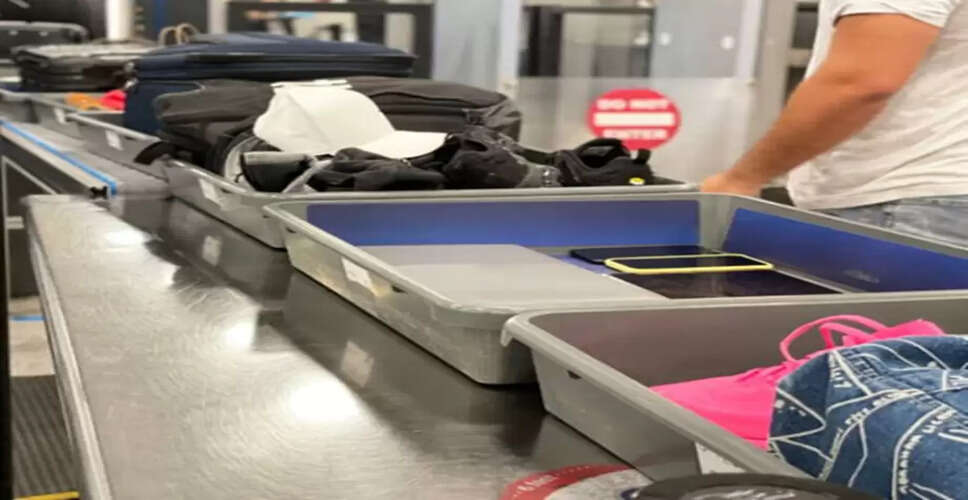
Picture yourself in line at airport security, holding your passport, luggage, and maybe a water bottle. You've organized your bag meticulously, but as you near the X-ray machine, an announcement rings out: "Please take out your laptop!"

You might be questioning the necessity of this repetitive request. Is it merely a nuisance? If that’s your thought, this article (Why Remove Laptop At Airport) will clarify things. Although this procedure can feel bothersome, it serves significant scientific and security purposes. Let’s explore the reasons behind it.
X-ray Scanners and Their Limitations
When a laptop remains in your bag, it appears as a large, dense object on the X-ray screen. Its heavy battery and metal casing create a significant shadow, which can obscure smaller items like chargers or coins.
This shadow can raise suspicions for security personnel. By removing the laptop, this "wall" is eliminated, allowing for a clearer image and decreasing the chances of your bag being flagged for further inspection.
Concealment Risks with Laptops
Beyond battery concerns, laptops have been exploited for smuggling. There have been instances where smugglers have modified laptop casings to hide drugs or other illicit items.
While such occurrences are infrequent, they have prompted stricter security measures at airports globally. By placing laptops in separate trays, officials can ensure that no hidden threats are present.
Battery Safety Concerns
The key distinction between your laptop and your shoes lies in the battery. Laptops are equipped with powerful lithium-ion batteries, which can pose fire risks if they overheat or malfunction.
Scanning laptops separately allows officials to monitor for any signs of battery issues, a precaution that isn’t feasible if the laptop is packed away in a bag.
International Security Protocols
Airport regulations are not arbitrary; they are established by international aviation authorities based on real incidents. For instance, in 2022, a knife was discovered concealed within a laptop casing at a Virginia airport.
In response to such events, agencies worldwide have reinforced the need for separate laptop inspections. This consistency ensures that whether you’re traveling from Delhi, Dubai, or New York, the security measures remain uniform.
Emerging Technologies
Some leading airports are now utilizing advanced 3D scanners capable of examining electronics without requiring their removal, though these technologies have yet to become standard worldwide.
Most airports still rely on traditional X-ray systems, necessitating that laptops be opened for effective scanning. This requirement will persist until the new machines are widely implemented.
Efficiency in Security Lines
While it may seem that removing a laptop slows down the process, it actually has the opposite effect. Bags with laptops are often flagged, resulting in longer delays due to manual checks.
By scanning laptops separately, the machine can produce a clearer image right away, minimizing alarms and expediting the entire process.
Enhancing Passenger Trust
Security screenings can be anxiety-inducing, but the separate display of laptops fosters transparency. It reassures passengers that security protocols are being followed and that every device is thoroughly inspected.
This practice builds confidence among travelers, ensuring they feel secure and reducing potential conflicts between officials and passengers.
PC Social Media