
Understanding Parkinson's Disease: Prevention Strategies and Insights
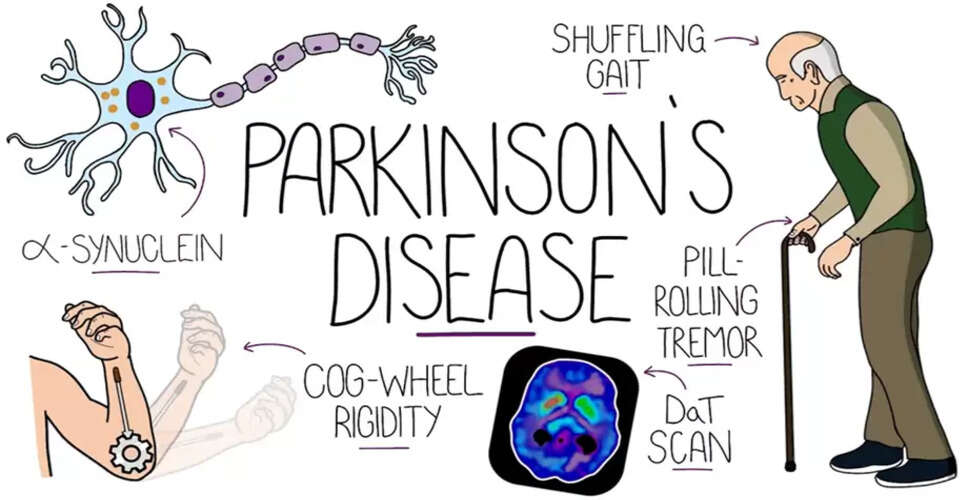
The Growing Concern of Parkinson's Disease
Did you know that Parkinson's disease ranks as the second most prevalent neurological disorder globally, following Alzheimer's? The figures are alarming. Over the past quarter-century, the number of individuals diagnosed with Parkinson's has surged to 8.5 million, and projections suggest this could escalate to 25.2 million by 2050.
Managing Parkinson's Disease

While there is currently no cure for Parkinson's, effective management is possible through appropriate treatment. However, halting the disease's progression remains unattainable. Thus, the focus should be on minimizing risk factors associated with Parkinson's disease.
Key Strategies for Reducing Risk
Regular Exercise is Crucial.
Engaging in consistent physical activity is vital for both physical and mental well-being. A study conducted in 2018 indicated that moderate to vigorous exercise can significantly lower the risk of developing Parkinson's. Activities such as aerobic workouts, brisk walking, running, swimming, and cycling enhance blood circulation to the brain, supporting nervous system health. Aim for at least 30-45 minutes of exercise daily.
Maintain a Nutritious Diet.
Your dietary choices have a direct impact on brain health. The Mediterranean diet, which emphasizes fresh fruits, vegetables, whole grains, fish, olive oil, and nuts, is particularly beneficial for cognitive function. This diet is abundant in antioxidants and possesses anti-inflammatory properties that help mitigate oxidative stress and inflammation in the brain.
Incorporate Tea or Coffee.
Caffeine found in coffee and tea may serve as a natural neuroprotective agent. It aids in reducing brain inflammation by combating oxidative stress. Research indicates that individuals who consume coffee in moderation have a lower risk of developing Parkinson's. However, moderation is key; excessive consumption is not advisable.
Minimize Exposure to Toxins and Chemicals.
In today's world, we encounter numerous chemicals that can adversely affect the nervous system.
Steer Clear of Dry Cleaning. The chemical trichloroethylene, commonly used in dry cleaning, is a known carcinogen that can harm the nervous system. Whenever possible, opt for alternatives to dry cleaning.
Be Cautious with Pesticides. Certain pesticides have been associated with a heightened risk of Parkinson's. Whenever feasible, choose organically grown produce. If organic options are unavailable, ensure thorough washing of fruits and vegetables before consumption.
Use Filtered Water. Tap water may contain pesticides and other harmful substances. To safeguard against these risks, utilizing a reliable water filter is essential.
Stay Informed and Proactive
PC Social Media