
Understanding Osteoporosis: Key Signs and Awareness on World Osteoporosis Day 2025
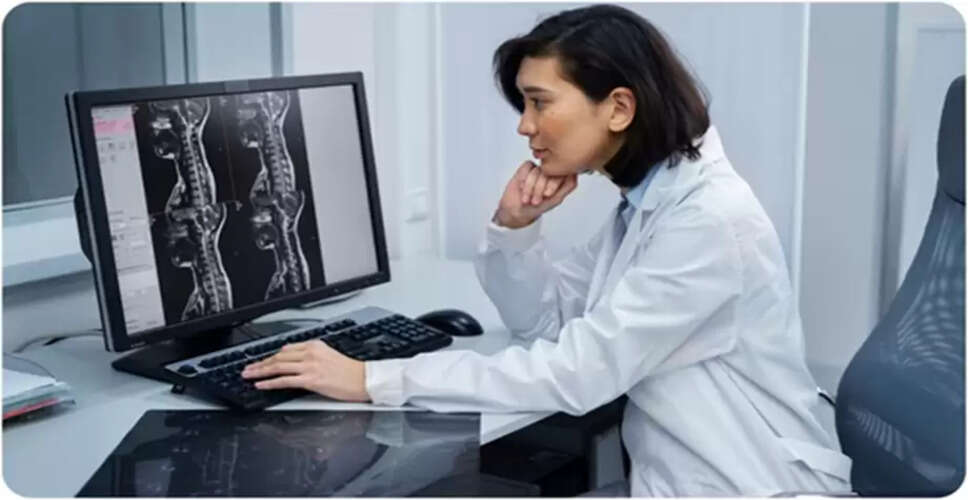
World Osteoporosis Day 2025: Raising Awareness
World Osteoporosis Day 2025: While it's typical for bones to break following an injury, many are unaware that fractures can also occur without any trauma. This phenomenon is often linked to osteoporosis, a condition characterized by weakened bones. In severe instances, even a forceful cough or a minor misstep can lead to a fracture.

Observed annually on October 20th, World Osteoporosis Day aims to enhance public understanding of this condition. Osteoporosis can weaken bones to the point where they become as fragile as glass. Dubbed the "silent killer," this disease can progress without symptoms for years, with the first noticeable sign often being a serious fracture.
This condition isn't exclusive to the elderly; younger individuals are increasingly affected due to unhealthy lifestyle choices. Osteoporosis can severely limit mobility, so it's crucial to pay attention to any subtle changes in your body. In this article, we will delve into some of the symptoms associated with osteoporosis.
Recognizing Symptoms of Osteoporosis
Unexplained Height Loss
A noticeable early indicator of osteoporosis is a sudden or gradual reduction in height. This occurs when the vertebrae in the spine compress and fracture due to weakened bones. If you find yourself a few inches shorter, it's essential to undergo a bone density test promptly.
Chronic Back Pain
Experiencing ongoing pain in your back or lower back without any clear injury or excessive physical activity could signal a problem. This discomfort is often the result of unnoticed fractures or compression in the vertebrae. Pain relief medications for osteoporosis may only mask the pain rather than address the underlying issue, so consulting a healthcare professional is advisable.
Poor Posture
Osteoporosis can alter the spine's structure, leading to a forward-bending posture, commonly referred to as a "hunchback." This condition significantly heightens the risk of fractures in the hip, spine, and wrist, indicating that your bones require immediate medical evaluation.
Additional Signs of Bone Weakness
Other indicators of weakened bones include early tooth loss and fragile nails. These symptoms may arise from a significant deficiency of calcium and vitamin D in the body. Rather than dismissing these signs as mere calcium shortages, it's crucial to consult an orthopedist for a thorough evaluation.
PC Social Media