
Understanding High Cholesterol During Pregnancy: Risks and Management
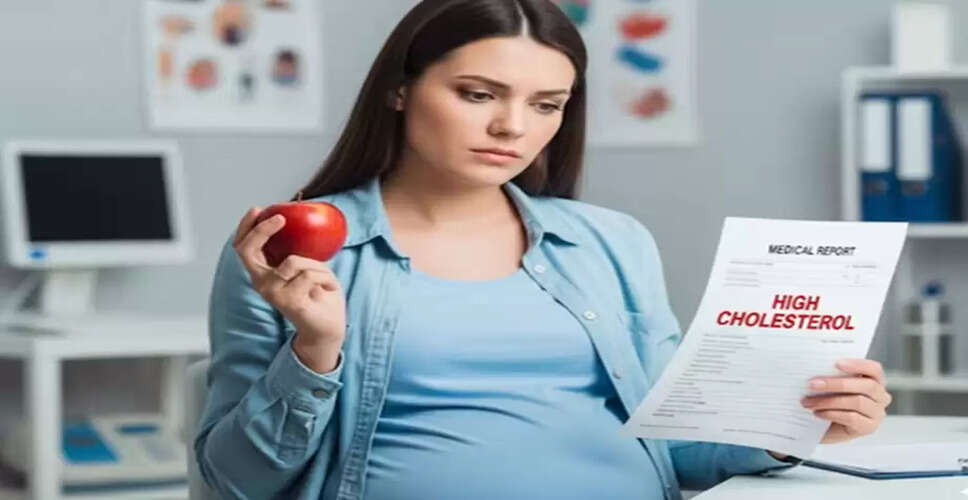
High Cholesterol During Pregnancy
High Cholesterol During Pregnancy: Pregnancy presents various challenges for women, primarily due to significant hormonal changes. While these changes are generally manageable, they can lead to complications, including elevated cholesterol levels. Medical professionals warn that increased bad cholesterol in expectant mothers may heighten the risk of serious heart issues for their children later in life. To mitigate this risk, it is crucial to engage in regular physical activity and consume a diet low in cholesterol. This raises the question: what causes cholesterol levels to rise during pregnancy, and what complications can arise for the child? Dr. Meera Pathak, a senior gynecologist from Noida, provides insights:

Reasons for Increased Cholesterol Levels:
During the initial trimester of pregnancy, cholesterol levels in women typically begin to rise. This increase is influenced by various hormonal changes stemming from diet and lifestyle. Cholesterol, an organic compound, can lead to fat accumulation in the body. The hormonal imbalance between testosterone and estrogen during this period often contributes to elevated cholesterol levels.
Complications Linked to High Cholesterol:
Gestational Diabetes Risk: Elevated cholesterol levels during pregnancy can raise the likelihood of developing gestational diabetes. Therefore, it is vital for pregnant women to prioritize their health, as a healthy mother contributes to a healthy baby.
Preeclampsia Risk: Many women experience hypertension during pregnancy, which is closely associated with high cholesterol levels. This condition can lead to preeclampsia, making it essential to monitor cholesterol levels.
Preterm Birth Risk: It is crucial to focus on the health of the developing baby during pregnancy. Unfortunately, many women face high cholesterol due to poor dietary choices, which can sometimes result in premature births.
Low Birth Weight: The nutritional choices made during pregnancy significantly affect the baby's health. High cholesterol can increase the risk of delivering a baby with low birth weight.
Potential Heart Issues for the Baby: High cholesterol in pregnant women can pose serious risks to the unborn child, potentially leading to heart complications. Therefore, maintaining a healthy lifestyle from the outset is essential.
Delayed Fetal Growth: High cholesterol levels during pregnancy can hinder the baby's growth and development. Additionally, it may increase oxidative stress in expectant mothers. Adopting a healthier lifestyle is the most effective way to prevent these issues.
PC Social Media