
Understanding Fatty Liver: Causes and Prevention Tips
What is Fatty Liver?
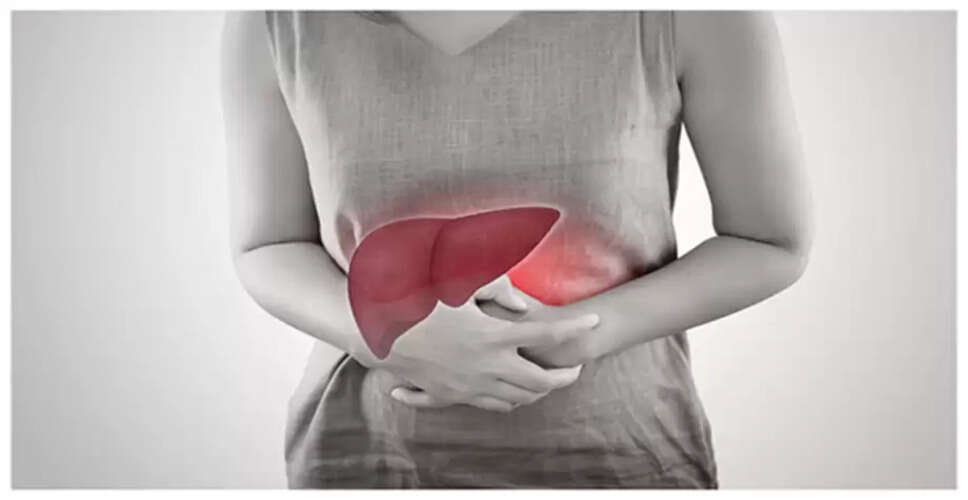
Fatty liver, medically known as hepatic steatosis, occurs when there is an abnormal accumulation of fat in liver cells. While many link this condition primarily to heavy alcohol use, it is important to note that fatty liver can be categorized into two types.
Types of Fatty Liver
The first type is alcoholic fatty liver disease, which stems from alcohol consumption. The second type, non-alcoholic fatty liver disease, is often associated with obesity, unhealthy lifestyle choices, and metabolic disorders such as diabetes. This article will focus on non-alcoholic fatty liver.
Dietary Factors Contributing to Fatty Liver
A diet high in sugar and carbohydrates, particularly from sources like sodas, sweets, white bread, and pasta, can elevate the risk of developing fatty liver. Additionally, fried and processed foods that are rich in trans fats and saturated fats can adversely affect liver health. Therefore, individuals who do not consume alcohol should still pay close attention to their dietary habits.
The Impact of Sugar Consumption
Excessive Sugar Intake
One of the primary contributors to fatty liver is the overconsumption of sugar and fructose. When you indulge in soft drinks, canned juices, or sugary baked goods like cakes and pastries, your body tends to accumulate excessive fructose.
Since the liver cannot utilize fructose directly for energy, it converts it into fat quickly, leading to fat buildup in liver cells and ultimately resulting in fatty liver disease.
Refined Carbohydrates and Fats
Refined Carbohydrates and Unhealthy Fats
Refined carbohydrates and unhealthy fats significantly contribute to the risk of fatty liver. Products made from white flour, such as biscuits, white bread, and breakfast cereals, have a high glycemic index.
These foods can spike blood sugar levels rapidly, leading to insulin resistance, which encourages fat accumulation in the liver. Moreover, junk foods that are high in trans fats and saturated fats can cause liver inflammation and exacerbate fatty liver conditions.
Lifestyle Factors
A Sedentary Lifestyle
In addition to dietary choices, a lack of physical activity is a significant risk factor for fatty liver. Engaging in regular exercise, ideally 30 minutes of moderate-intensity activity daily, is crucial. Physical activity aids in weight management, a key factor in preventing fatty liver.
Moreover, exercise enhances insulin sensitivity, allowing the body to utilize sugar more efficiently and decreasing the likelihood of fat accumulation in the liver. Adequate sleep and stress management are also vital for maintaining liver health. An active lifestyle can greatly lower the risk of developing fatty liver.
Precautions for Liver Health
Essential Precautions
To promote liver health, it is crucial to minimize sugar intake significantly. Avoid sweetened drinks, candies, and heavily processed foods. Instead, focus on incorporating whole grains like brown rice and oats, fresh fruits, and a variety of vegetables into your meals.
These foods are rich in fiber, which aids in digestion and helps stabilize blood sugar levels. Additionally, increasing your consumption of healthy fats from sources such as nuts, seeds, avocados, and olive oil can be beneficial for liver health.
Stay Informed
PC Social Media