
The Significance of Vehicle Worship in Indian Culture

Understanding Vehicle Astrology
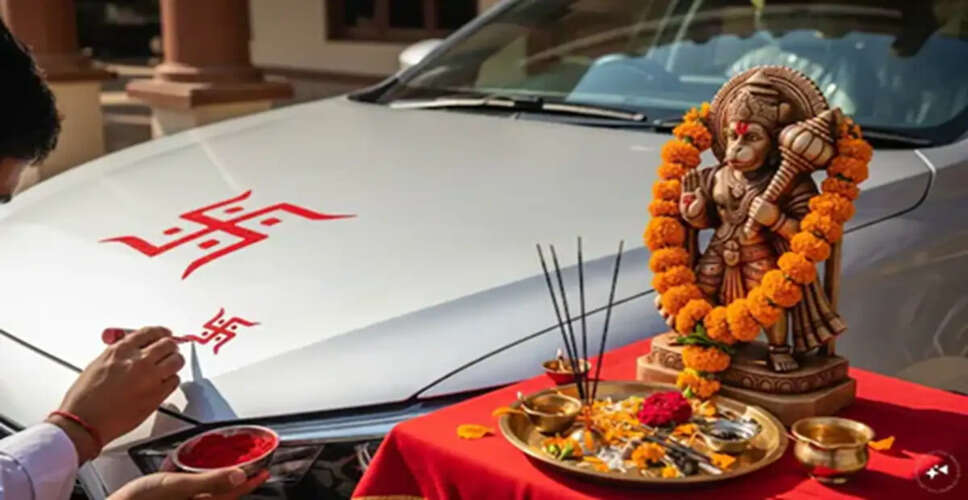
In Indian culture, acquiring a new vehicle transcends a mere financial transaction; it symbolizes new beginnings and joy. Consequently, many individuals visit a temple right after their purchase. For some, this is a matter of faith, while for others, it is a cherished family custom. A notable tradition involves bringing *sindoor* (vermilion) from a Hanuman temple to create a *Swastika* on the vehicle, a practice still prevalent in numerous households today. This ritual is believed to invoke divine protection and ward off negative energies.
The Rituals Associated with New Vehicles
Interestingly, even in contemporary society, educated individuals and the younger generation uphold these traditions with great respect. Astrologer and Vastu consultant Pandit Hitendra Kumar Sharma elaborates on this topic.
**The Spiritual Connection with New Vehicles**
In Indian tradition, starting any new venture with prayer and worship (*Puja*) is deemed auspicious. Whether it’s a new home, business, or vehicle, people seek divine blessings first. In astrology, a vehicle is not just a mode of transport; it is closely tied to an individual's happiness and experiences. Therefore, after acquiring a new vehicle, rituals like breaking a coconut, placing lemons, and conducting a formal *Puja* are common. Many families even consult an auspicious time (*Shubh Muhurat*) before making a purchase, believing that doing so ensures lasting happiness and safety.
The Importance of *Sindoor* from Hanuman Temple
**The Special Significance of Hanumanji's *Sindoor***
According to religious beliefs, Lord Hanuman is known as the *Sankatmochak*, or the Remover of Obstacles. His blessings are thought to protect against fear, accidents, and negative influences. This is why many people visit a Hanuman temple to pray and bring back *sindoor* to draw a *Swastika* on their new vehicle. While some may see this as a mere tradition, for many families, it symbolizes protection and auspiciousness. This practice is widely observed, from rural areas to urban centers.
**Astrological and Religious Importance of the *Swastika***
In Hinduism, the *Swastika* is a highly auspicious symbol. In astrology, it represents positive energy, well-being, and prosperity. Many believe that marking a *Swastika* on a vehicle helps mitigate negative energies and ensures safe travels. Additionally, many individuals inscribe phrases like "Shri Ram" or "Jai Bajrangbali" on their vehicles, which serves as both a religious expression and a psychological comfort.
Balancing Faith and Safety
Can Worship Alone Prevent Issues?
While faith plays a significant role, road safety is paramount. Elders often remind us that divine help favors those who take precautions. Thus, it is crucial to follow traffic regulations, wear seatbelts, and stay alert while driving. Nowadays, before sharing images of a new vehicle on social media, individuals often post pictures of the *puja* (worship ceremony) conducted for it. This reflects how deeply ingrained Indian traditions are in people's lives, even in an age of technological advancement.
Conclusion
PC Social Media