
The Hidden Dangers of Incense: What You Need to Know
Understanding the Risks of Incense Smoke
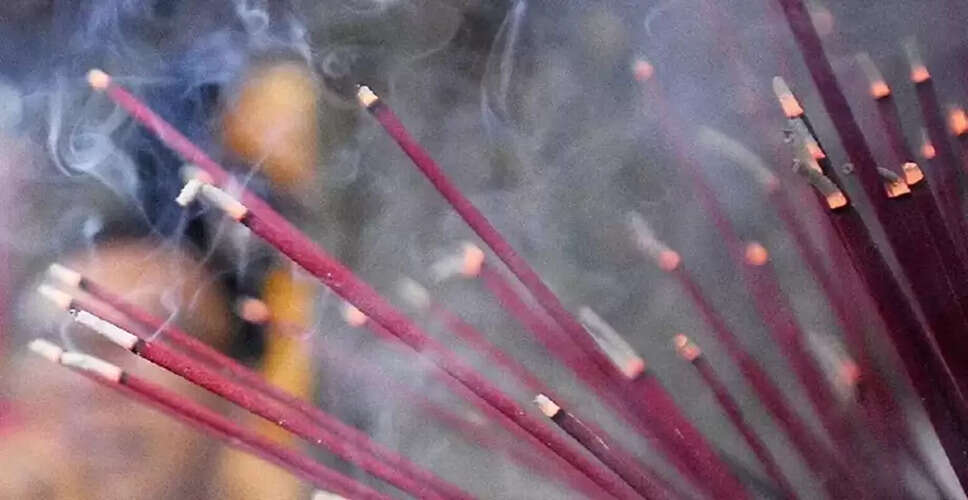
In India, incense sticks and dhoop are widely used during religious ceremonies and pujas. Their pleasant aroma is believed to cleanse the atmosphere and promote tranquility. However, recent studies indicate that daily use of incense sticks may pose a greater risk to lung health than smoking cigarettes. Research has shown that the smoke produced by incense contains harmful particles and chemicals that can gradually impair lung function.
What Makes Incense Smoke Hazardous?

Experts explain that the smoke from burning incense sticks releases tiny particles, including PM 2.5, PM 10, and volatile organic compounds (VOCs). These microscopic particles can penetrate deep into the lungs. When this smoke accumulates in enclosed spaces, it heightens the risk of respiratory issues such as inflammation, coughing, asthma, and allergies.
A global study revealed that the levels of PM 2.5 in a room can exceed the World Health Organization's (WHO) recommended limits significantly when incense is burned. Prolonged exposure to these pollutants can lead to serious health conditions, including bronchitis, chronic obstructive pulmonary disease (COPD), and lung cancer.
Health Impacts Beyond the Lungs
Which Body Parts Are Affected?
The effects of incense smoke extend beyond the lungs, impacting various parts of the body. It can lead to eye irritation, sore throats, sinus issues, and frequent sneezing. Harmful chemicals like benzene and formaldehyde found in the smoke can damage blood cells and lung alveoli, hindering oxygen flow and making breathing more difficult.
Experts warn that the harmful components in incense smoke are similar to those in cigarette smoke, meaning that individuals who have quit smoking may still be exposed to similar pollutants.
Tips for Lung Protection
How to Safeguard Your Lungs from Incense Smoke
You don't have to abandon the tradition of burning incense sticks entirely, but it's wise to take precautions. When lighting incense at home or in a temple, ensure that windows and doors are open to facilitate smoke ventilation.
Using a fan can also help improve air circulation. Limit the frequency of lighting incense sticks—reserve them for special occasions or use them for short durations.
For a healthier alternative, consider using a ghee lamp or a natural essential oil diffuser. These options not only enhance the fragrance of your space but are also safer for your health.
While it's essential to maintain the sanctity and positive energy of worship, prioritizing your health is equally important. Use incense sticks sparingly; despite their delightful scent, they can pose hidden risks to your lungs.