
The Cultural Significance of Coconut-Giving on Bhai Dooj
Understanding the Tradition of Coconut-Giving
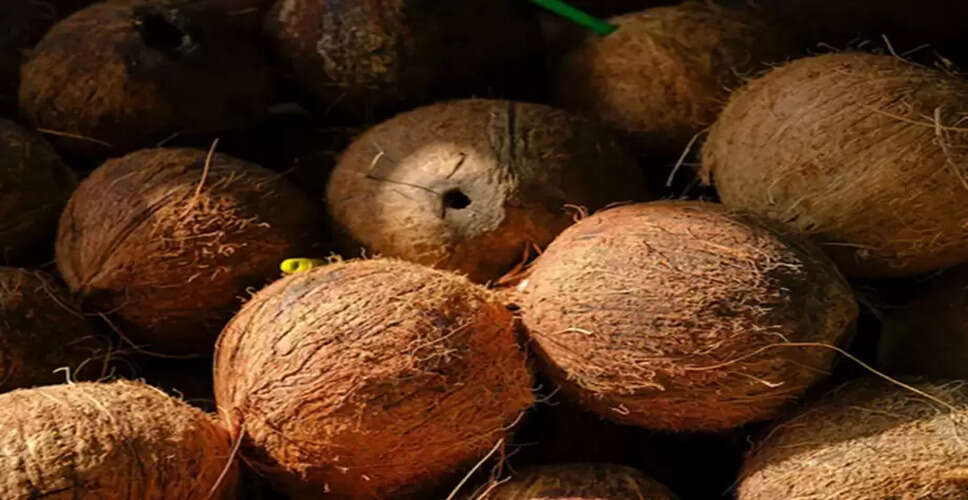
The practice of sisters presenting coconuts to their brothers during Bhai Dooj carries profound cultural and religious meaning. This act transcends mere ritual, embodying brotherly affection, heartfelt wishes, and a protective bond.

The Significance of the Coconut-Giving Ritual
1. Mythological Roots
The custom traces back to a tale involving Yamraj and his sister Yamuna. According to legend, Yamraj visited Yamuna's home on the second day of the waxing moon in Kartik at her invitation. She adorned him with a tilak, offered him food, and gifted him a coconut. In return, Yamraj vowed that sisters who perform this ritual would be blessed with their brothers' long life, joy, and prosperity.
2. Religious Symbolism of the Coconut
In Hindu beliefs, the coconut, known as Shriphal, represents Goddess Lakshmi. It symbolizes auspiciousness, purity, and wealth, making it a vital component of any puja. Presenting a coconut on Bhai Dooj reflects a sister's desire for her brother's happiness, prosperity, and well-being.
3. A Token of Affection and Memory
Yamuna's gift of a coconut was meant to keep her brother in her thoughts. Today, sisters continue this tradition to express their love and connection through the act of giving coconuts.
4. Auspicious Symbols: Kalava and Tilak
On Bhai Dooj, sisters apply a tilak, tie a Kalava, and present a coconut to their brothers. Together, these elements symbolize their wishes for protection, health, and longevity.
Therefore, the act of giving a coconut is more than just a tradition; it represents a sister's heartfelt wishes and love for her brother, enhancing the emotional and sacred nature of the Bhai Dooj festival.
PC Social Media