
How to Identify Authentic Dry Fruits This Diwali
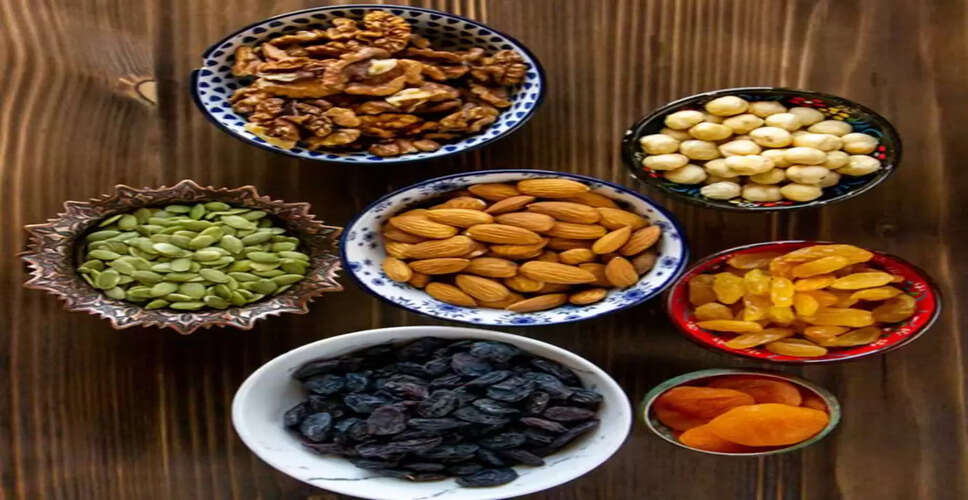
Understanding the Importance of Authentic Dry Fruits
Diwali is a festival that brings together joy, illumination, and a variety of delectable foods. During this time, the market sees a surge in the purchase of sweets and dry fruits. However, it is crucial to be cautious as the market is also rife with adulterated products, particularly fake dry fruits.

These counterfeit dry fruits can pose serious health risks. Therefore, it is essential to learn how to differentiate between genuine and fake dry fruits to ensure that the festival remains enjoyable. Here are some tips to help you identify fake dry fruits.
Tips for Identifying Fake Dry Fruits
Examine the Color
Authentic dry fruits typically exhibit a natural, subtle hue. In contrast, artificial colors are often used to enhance the appearance of old or damaged nuts. To test this, rub the nuts on a handkerchief or cotton cloth; if the color transfers, they are likely fake.
For instance, real cashews should have a light beige or creamy shade, while overly bright white or yellow cashews may be suspicious. Natural raisins are usually brown or black, and those with a uniform bright yellow color might be chemically treated. Similarly, genuine pistachios have a light brown-green color, whereas excessively green ones could indicate artificial coloring.
Assessing Shape and Texture
Check the Shape and Texture
Natural nuts are rarely uniform in size and shape. For example, authentic almonds have a slightly rough surface, while smooth and shiny almonds should be avoided. Walnuts also have an irregular shell texture.
Taste and Smell Test
Identify by Taste and Smell
Fresh, genuine nuts emit a mild, sweet aroma. If they smell strongly of chemicals or seem stale, it’s best to steer clear. If possible, taste a nut before buying; fake nuts often have a bitter or bland flavor.
Conducting the Water Test
Water Test
For cashews, place a few in a bowl of water. If the water changes color, this indicates artificial coloring. Similarly, if raisins cause the water to change color after soaking, they may have undergone chemical treatment.
Be Cautious of Pricing
Be Wary of Low Prices
If a vendor offers dry fruits at a significantly lower price than usual, exercise caution. Quality nuts tend to be slightly more expensive. Avoid being lured by excessively cheap deals, as they may indicate old or adulterated products.
Stay Informed
PC Social Media