
Understanding Heatwave Risks for Underweight Individuals
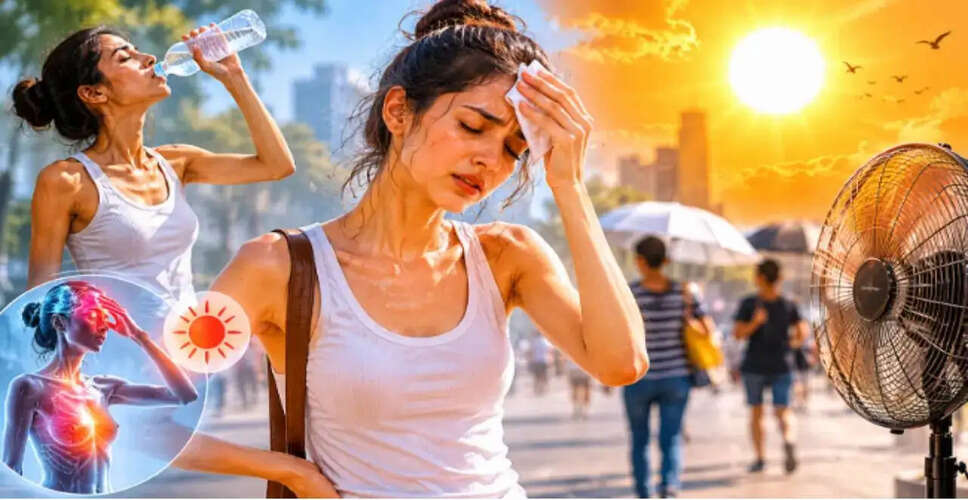

Health Risks of Heatwaves for Slim Individuals
While obesity and lack of fitness are commonly associated with heatwave health risks, medical professionals caution that those who are underweight or very slim can also be at significant risk during extreme heat. With temperatures soaring to 48 degrees Celsius in various regions, experts highlight that low body fat, inadequate nutrition, dehydration, and diminished muscle mass can render some thin individuals unexpectedly susceptible to heat exhaustion and heatstroke.
Importance of Body Fat in Heatwaves
Body fat is not inherently detrimental; in fact, a healthy level of fat assists in temperature regulation, energy storage, and maintaining hydration during stressful conditions. Individuals who are very slim, including men, women, and children, often exhibit:
- Lower energy reserves
- Reduced electrolyte storage
- Less muscle mass
- Lower blood volume
- Poor heat tolerance
In extreme heat, the body exerts more effort to cool itself through sweating and increased blood flow. A lack of adequate fluid reserves or nutrients can lead to quicker onset of dehydration and exhaustion.
Impact of Muscle Loss on Heat Sensitivity
Muscle mass is crucial for maintaining circulation, metabolism, and overall stability. Individuals with low muscle mass—such as some underweight people, crash dieters, seniors, or those with eating disorders—may find it more challenging to cope with prolonged exposure to heat. Experts warn that heatwaves can exacerbate symptoms like weakness, dizziness, low blood pressure, fatigue, and fainting, potentially leading to heatstroke, a serious condition characterized by dangerously elevated body temperature.
Dehydration Risks for Slim Individuals
Healthcare providers note that slim individuals may not realize how quickly dehydration can affect them. Smaller body sizes typically mean lower fluid reserves, making excessive sweating during hot weather a rapid disruptor of electrolyte balance, particularly sodium and potassium levels. Signs of dehydration can include:
- Dry mouth
- Headaches
- Muscle cramps
- Rapid heartbeat
- Confusion
- Dark urine
- Nausea
Nutritional Deficiencies During Heatwaves
Experts also warn that restrictive diets, poor eating habits, or insufficient protein intake can heighten heat intolerance. Many individuals attempting to lose weight in the summer may inadvertently decrease their intake of salt, water, essential minerals, and calories, impairing the body's ability to recover from heat stress. Under-nourished individuals may experience:
- Extreme fatigue
- Brain fog
- Weakness
- Difficulty concentrating
- Increased irritability during heatwaves
Increased Risk for Elderly Slim Adults
Older adults who are naturally thin or frail face heightened vulnerability, as aging diminishes the body's capacity to regulate temperature effectively. Many elderly individuals also suffer from reduced thirst sensation, chronic health issues, lower muscle mass, and dehydration due to medications, all of which can significantly elevate the risk of heatstroke during extended periods of high temperatures.
Safety Tips for Heatwaves
Healthcare professionals recommend several strategies for slim or underweight individuals to stay safe during extreme heat:
- Stay hydrated by drinking water regularly, even if not feeling thirsty
- Consume balanced meals rich in electrolytes and protein
- Avoid extreme dieting during heatwaves
- Stay indoors during peak afternoon heat
- Wear lightweight cotton clothing
- Carefully monitor for symptoms like dizziness, weakness, or confusion