
Understanding Antibiotic Resistance: A Growing Health Concern

The Rise of Antibiotic Resistance
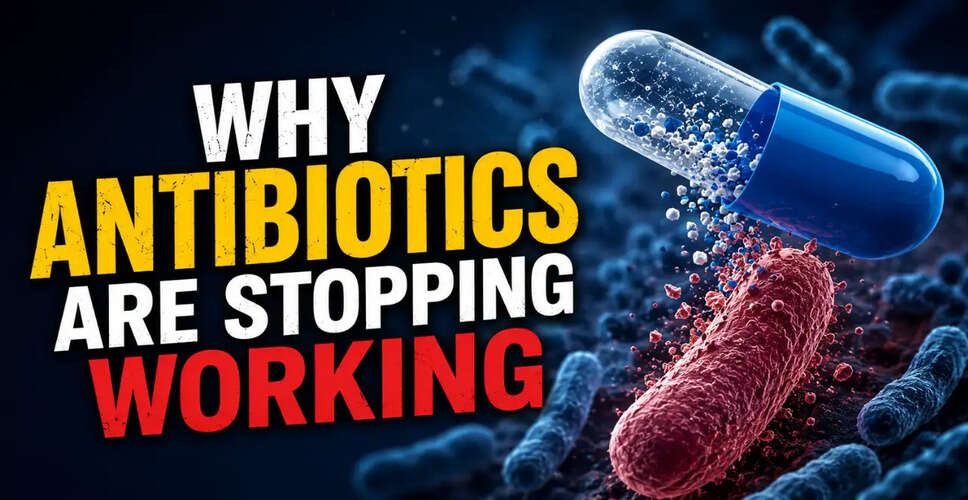
For many years, antibiotics have been hailed as one of the most significant advancements in modern medicine. Conditions such as sore throats, wound infections, pneumonia, and even routine surgeries have become much safer due to these medications, which effectively eliminate harmful bacteria. However, a pressing issue has emerged: antibiotics are gradually losing their effectiveness. This situation, known as antibiotic resistance, is regarded by health professionals as one of the most critical medical challenges today. Essentially, bacteria are evolving to withstand the very drugs intended to eradicate them. The overuse and misuse of antibiotics are contributing to the strength of these bacteria.
The Mechanism Behind Antibiotic Resistance
How Antibiotic Resistance Starts
This issue has not developed overnight. Each unnecessary use of antibiotics allows some bacteria to survive and adapt. Over time, these resilient 'superbugs' multiply and spread, leading to infections that were once easily treatable now requiring more potent medications, extended hospital stays, or, in some cases, becoming untreatable. A significant factor in antibiotic resistance is the inappropriate use of antibiotics for conditions they cannot treat, such as viral infections like the common cold or flu. Despite this, many individuals still request antibiotics for these ailments, mistakenly believing it will hasten their recovery. This misuse only provides bacteria with more chances to evolve.
Consequences of Antibiotic Misuse
Another prevalent issue is the failure to complete the prescribed antibiotic course. Many individuals stop taking their medication once they start feeling better, but some bacteria may still linger in the body. These surviving bacteria can develop resistance, making future infections harder to treat. Additionally, the excessive use of antibiotics in agriculture and animal husbandry has exacerbated the situation. In numerous regions, antibiotics are routinely administered to livestock to enhance growth or prevent disease in overcrowded environments. Resistant bacteria from these animals can spread through food, water, and the environment.
The Impact on Healthcare
The repercussions of antibiotic resistance are already evident. Healthcare providers are encountering infections that do not respond to standard treatments. Medical procedures such as organ transplants, chemotherapy, cesarean sections, and even routine surgeries become riskier when antibiotics lose their effectiveness. Even minor issues like cuts or urinary tract infections could escalate into serious health threats if resistant bacteria are involved.
Taking Action Against Antibiotic Resistance
The Bright Side
Fortunately, individuals can still play a crucial role in combating this issue. The first step is straightforward: only use antibiotics when prescribed by a qualified healthcare professional. Avoid self-medication or using leftover antibiotics from previous illnesses. If prescribed, it is essential to complete the entire course as directed, even if symptoms improve before finishing the medication.
Maintaining good hygiene is also vital in reducing infections and minimizing the need for antibiotics. Regular handwashing, keeping vaccinations up to date, preparing food safely, and avoiding close contact with sick individuals can all help slow the spread of infections. Experts are urging hospitals, governments, and pharmaceutical companies to invest in new antibiotics, quicker testing methods, and enhanced awareness campaigns. However, medical advancements alone cannot resolve the issue without public cooperation.
Antibiotics revolutionized healthcare in the 20th century, saving countless lives. It is now everyone's duty to protect these vital medications. The decisions made today regarding medicine usage and infection prevention will influence whether antibiotics can continue to save lives in the future or gradually become ineffective.