
Pediatrician Dr. Santosh Exits Instagram Amid ORS Controversy

Dr. Santosh's Departure from Social Media
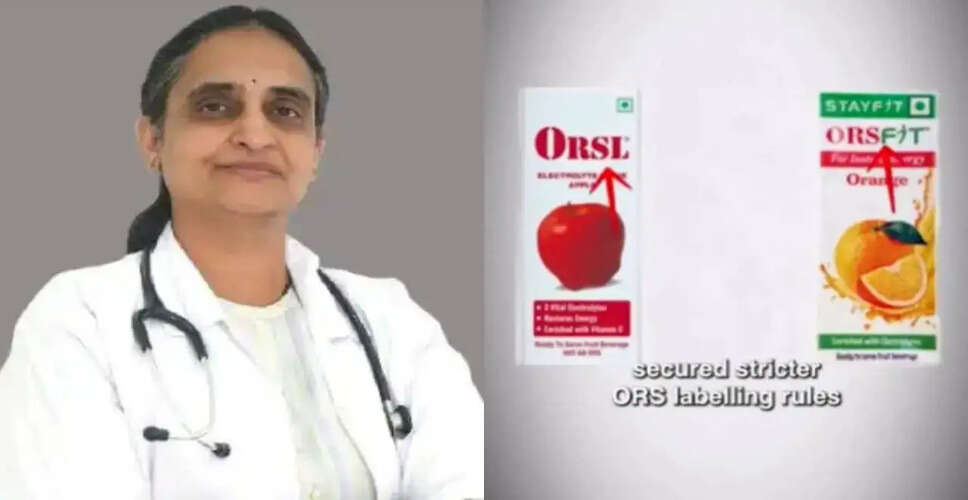
Dr. Sivaranjani Santosh, a pediatrician based in Hyderabad, has decided to leave Instagram after years of advocating for child health and hydration awareness. This decision follows her resignation from the Indian Academy of Pediatrics (IAP) and underscores an ongoing discussion about consumer health, branding of products, and patient safety.
Reasons Behind Dr. Santosh's Exit
Expressing her frustration, Dr. Santosh mentioned she felt "exhausted from fighting alone" as her concerns about industry influence and consumer misunderstanding were not sufficiently acknowledged, as reported by a local news outlet. Her resignation from the IAP was prompted by the organization's lack of a strong stance against products that could be confused with Oral Rehydration Solutions (ORS).
For nearly eight years, she has raised awareness about the risks of confusing electrolyte drinks with medically approved ORS, which is essential for treating dehydration caused by diarrhea.
Understanding the Difference: ORS vs. Electrolyte Drinks
ORS is not merely another hydration option; it is a scientifically designed solution aimed at replenishing fluids and electrolytes lost during episodes of diarrhea and vomiting. Its formulation adheres to international standards, incorporating sodium, potassium, glucose, and vital minerals.
This specific composition facilitates the effective absorption of water and salts in the intestines. Even slight alterations in the formula can disrupt osmotic balance, potentially exacerbating diarrhea and dehydration, particularly in children who are more susceptible to these conditions.
Key Benefits of WHO-Recommended ORS
- Rapidly replaces lost fluids
- Restores electrolyte balance
- Minimizes the risk of severe dehydration
- Recommended during diarrhea and gastroenteritis
- Considered a critical life-saving measure in many situations
Controversy Surrounding ORS Branding
The debate revolves around products that mimic ORS branding but do not adhere to the approved medical formulation. India's food regulatory body, the Food Safety and Standards Authority of India, has previously limited the use of the term "ORS" for products that do not meet WHO standards.
In response to these regulations, Kenvue rebranded one of its hydration products to EZRL while maintaining a separate medically formulated ORS product. Dr. Santosh contended that despite the rebranding, the visual similarities could still mislead consumers. She filed a trademark opposition, asserting that the branding was too similar to the previous product. Kenvue, however, insists that its rebranded product complies with all regulatory standards.
IAP's Role in the Discussion
Another issue raised by Dr. Santosh was the presence of hydration product stalls at pediatric conferences. She questioned the appropriateness of allowing companies associated with potentially confusing products to participate in medical events. In response, the IAP released a statement highlighting the differences between medically approved ORS and electrolyte drinks, cautioning healthcare professionals about the potential for confusion among parents and consumers.
Advice for Parents
Health professionals emphasize that parents should not assume all hydration drinks are equivalent to ORS. When a child experiences diarrhea, caregivers should:
- Utilize only doctor-recommended ORS formulations
- Carefully read product labels
- Avoid using electrolyte drinks as substitutes for medical ORS unless directed by a healthcare provider
- Seek medical help if signs of dehydration appear
While Dr. Santosh's departure from Instagram may signal the end of a significant online advocacy effort, the dialogue surrounding ORS safety, hydration products, child health, and consumer education is expected to persist.