
Exploring the Significance and Rituals of Chhath Puja
Understanding Chhath Puja
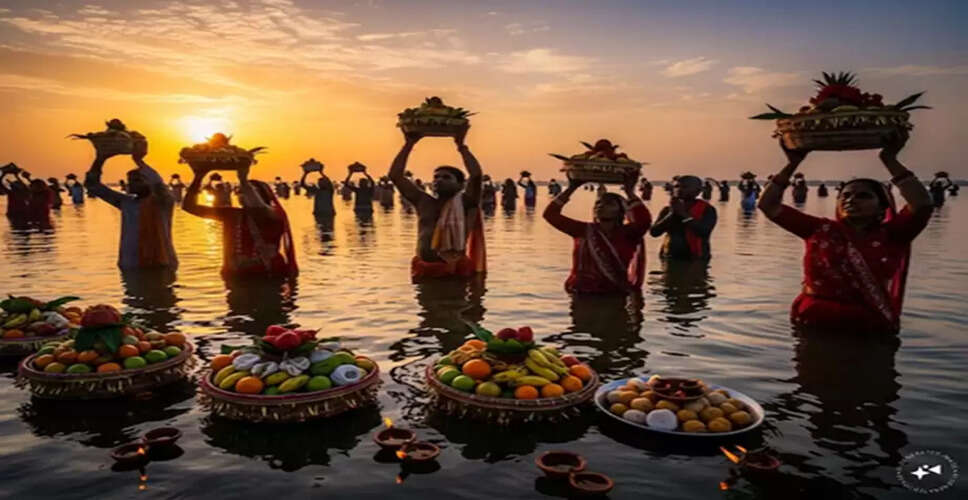
Chhath Puja stands as one of the oldest and most revered festivals in India, honoring Lord Surya and Chhathi Maiya. This celebration embodies the reverence for nature, water, and the Sun. Originating in Bihar thousands of years ago, Chhath Puja is now observed with immense devotion not only in Bihar but also in Jharkhand, Uttar Pradesh, and various regions of Nepal. The festival symbolizes the harmonious relationship and gratitude between humanity and nature.
Historical Roots of Chhath Puja

The origins of Chhath Puja trace back to the Vedic era, where ancient scriptures highlight the worship of Surya, with sages seeking mental and physical purification through prayers to the Sun God. Karna, the son of Surya Dev and Kunti, is credited as the first to perform this puja, standing in the river to offer daily prayers to the Sun. Additionally, the Mahabharata recounts how Draupadi and the Pandavas worshipped Surya during challenging times, illustrating that Chhath Puja transcends mere ritual, representing self-purification and energy renewal.
The Birthplace of Chhath Puja: Bihar
How Chhath Puja Originated in Bihar
Bihar is recognized as the birthplace of Chhath Puja, with its rivers like the Ganga, Kosi, and Son providing an ideal environment for sun and water worship. This region has long been a hub of spirituality, agriculture, and devotion. The inhabitants regard nature as the source of life, leading to the tradition of expressing gratitude towards the sun and water. The term "Chhath" translates to "sixth day," as the festival is celebrated on the sixth day of the bright fortnight in Kartik month. Over time, this tradition has expanded from Bihar to other parts of India and beyond.
Chhath Puja Rituals
Rituals of Chhath Puja
Chhath Puja spans four days, during which devotees engage in fasting with utmost devotion, restraint, and purity. These days are referred to as Nahai-Khai, Lohanda-Kharna, Sandhya Arghya, and Usha Arghya. Throughout this period, devotees gather by rivers or ponds to pray to the Sun God, seeking happiness and prosperity for their families. Women, known as "vratis," observe a fast without food or water. Each item used in the rituals, including sugarcane, bananas, coconuts, thekua, and lamps, holds significant religious meaning.
Connect with Us
PC Social Media