
Trump's Ambitious Call for Middle Eastern Peace Agreements

A Significant Discussion Among Leaders
On Saturday, President Donald Trump engaged in a phone conversation with leaders from Saudi Arabia, the UAE, Qatar, Pakistan, Turkey, Egypt, Jordan, and Bahrain. The primary aim was to discuss a potential resolution to the ongoing conflict with Iran. However, as reported by two US officials familiar with the dialogue, Trump leveraged this opportunity to advocate for a broader agenda.
During the call, Trump expressed his expectation that once the conflict with Iran concludes, those nations without formal peace agreements with Israel should join the Abraham Accords and establish diplomatic relations with the Jewish state. This request took several leaders by surprise, particularly those from Saudi Arabia, Qatar, and Pakistan, who do not currently have diplomatic ties with Israel. One US official noted that there was a moment of silence, prompting Trump to joke about whether they were still on the line.
Challenges to Achieving Peace
A historic but difficult ambition
The Abraham Accords, which were facilitated during Trump's first term, resulted in several Arab nations officially recognizing Israel. Trump has consistently aimed to broaden this list, with a peace agreement between Saudi Arabia and Israel being a key goal of his Middle Eastern strategy. However, the current geopolitical climate makes rapid progress unlikely.
Saudi Crown Prince Mohammed bin Salman had previously shown some willingness to consider this idea, but his stance has significantly shifted over the past year. The ongoing conflict with Iran and a growing divide between Saudi Arabia and the UAE have led Riyadh to adopt a more stringent position. Saudi officials maintain that Israel must commit to a clear and time-bound plan for a Palestinian state before any normalization can occur, a condition that the Israeli government has firmly rejected.
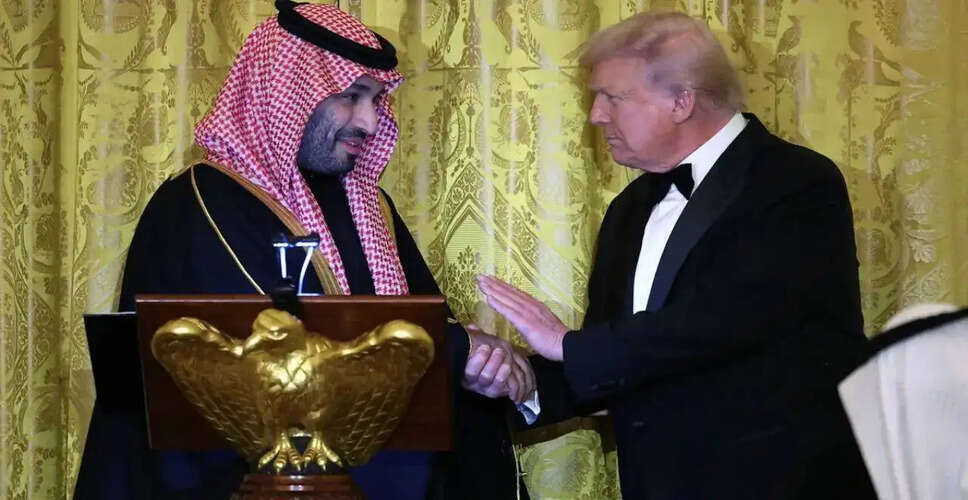
A tense meeting in the Oval Office last November between Trump and the Saudi crown prince highlighted the significant differences between the two sides, as bin Salman resisted a similar request. Israeli and US officials believe that Riyadh is unlikely to take action on this issue before Israel's elections in September and until the new government is established.
Future Conversations and Aspirations
The call after the call
Trump informed the leaders that he planned to reach out to Israeli Prime Minister Benjamin Netanyahu next and expressed hope that future discussions would include both Arab and Muslim leaders alongside Netanyahu. He also mentioned that his envoys, Jared Kushner and Steve Witkoff, would follow up with each nation regarding the normalization process in the coming weeks.
RapidResponse47
2058551558007087519
On Sunday, Trump took to Truth Social to express gratitude to Middle Eastern nations for their support and urged them to join the Abraham Accords. He even suggested, albeit as a distant possibility, that Iran could one day be part of the accords, which would require Tehran to recognize Israel—a demand the current Iranian regime has consistently rejected.
Political Reactions and Warnings
Support and warnings from Washington
Senator Lindsey Graham, a Republican from South Carolina, publicly supported Trump's request on Sunday, describing the potential expansion of the accords as one of the most significant developments in Middle Eastern history, should it materialize.
LindseyGrahamSC
2058566299018486079
Graham also issued a stern warning to nations that might decline to participate, stating, "If you refuse to go down this path as suggested by President Trump, it will have severe repercussions for our future relationships and make this peace proposal unacceptable."
Current Status of the Discussions
Where things stand
As of now, the leaders who participated in Saturday's call expressed their support for Trump regarding the Iran deal. "They all said we are with you on this deal. And if it doesn't work we will be with you too," a US official reported. However, whether this goodwill extends to the more politically sensitive issue of normalizing relations with Israel remains uncertain.