
Surge in Electric Vehicle Sales and Insurance in India
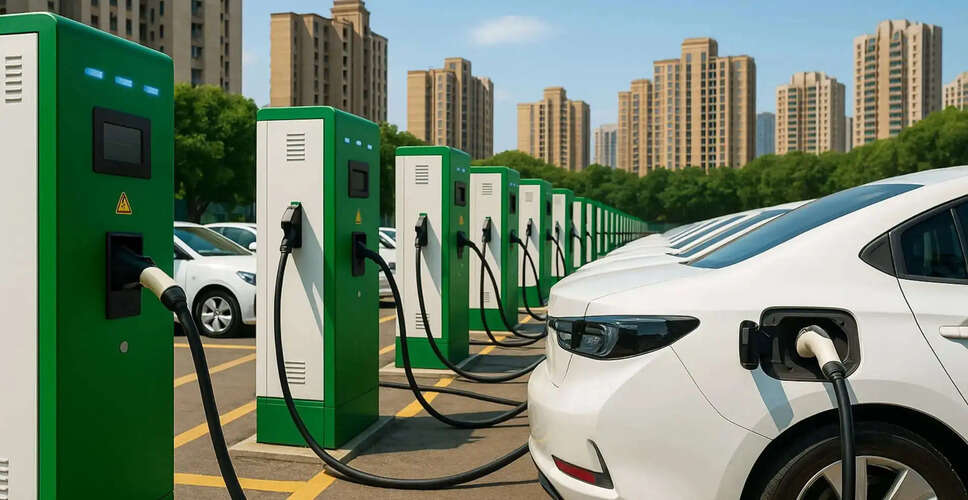

Electric Vehicle Market Growth
The electric vehicle sector in India is experiencing significant growth, not just in unit sales but also in the number of insurance policies being issued, indicating a deeper market penetration. Recent statistics from the Federation of Automobile Dealers Associations (FADA) reveal that electric passenger vehicle sales soared by 75.14% in April 2026, reaching 23,506 units compared to 13,421 units during the same month last year.
Rapid Increase in EV Insurance Policies
EV Insurance Policies on the Rise
Data from PolicyBazaar shows that the number of insurance policies for electric vehicles skyrocketed by 670% from 2025 to 2026, establishing EVs as the fastest-growing category in motor insurance. The report indicates that Telangana experienced the highest year-on-year growth in insured electric cars at 30%, while Maharashtra emerged as a leader in EV insurance uptake, with Mumbai and Pune identified as key growth areas. Maharashtra alone accounted for 8% of all insured electric vehicles in the country.
This surge is indicative of increasing consumer awareness regarding sustainable transportation, a rise in electric vehicle adoption in urban areas, and a growing demand for specialized insurance products designed for electric vehicle owners.
Current EV Insurance Market Share
Low Overall Share of EV Insurance
Despite the rapid growth, the overall share of electric vehicle insurance remains modest at just 1% of all insured vehicles, according to PolicyBazaar's findings. However, this upward trend suggests a significant transformation in India's mobility landscape. The notable increase in EV insurance adoption reflects a growing consumer confidence in electric vehicles and a rising demand for insurance products tailored specifically for them.
In contrast, petrol vehicles still dominate the insured vehicle market, making up 68.3% of the total insured vehicles in FY26, largely due to their popularity in hatchbacks, sedans, and compact SUVs. Diesel vehicles represent 24.7% of the insured mix, driven by ongoing demand in utility-focused segments like SUVs and commercial vehicles, even as urban passenger vehicle adoption slows. Additionally, alternative fuel vehicles are gaining ground, with CNG vehicles now comprising 5.8% of the insured vehicle base, bolstered by rising fuel costs, improved infrastructure, and a growing preference for economical mobility options in urban and semi-urban regions.