
India's Steel Industry Poised for Transformation with Hydrogen Technology
Hydrogen as a Game Changer for Steel Production
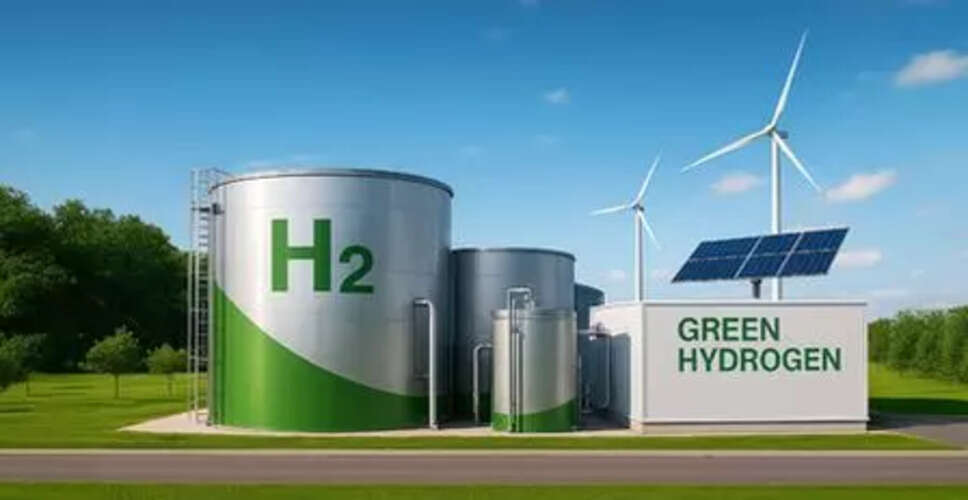
New Delhi, Nov 4: A senior government official indicated that the rapid decrease in hydrogen prices could position it as a feasible substitute for natural gas in India within the next five to ten years. This shift is expected to play a crucial role in the country's decarbonization efforts and enhance its global competitiveness.
During his address at the CII Steel Summit 2025, Union Steel Secretary Sandeep Poundrik emphasized the potential of the Direct Reduced Iron (DRI) combined with hydrogen method for producing green steel.
He pointed out that the steel sector is ripe for investment, driven by increasing demands from various industries, including defense, space, automotive, and power, all of which are experiencing rapid growth and a heightened need for high-quality steel products.
Poundrik noted that with ongoing growth in both consumption and production capacity, along with emerging opportunities in specialty and green steel, India is on track to meet its ambitious goal of producing 500 million tonnes of steel by 2047.
"In line with the vision of Viksit Bharat, we aim to achieve a steel-making capacity of 500 million tonnes by 2047. If we maintain our current trajectory, we could add approximately 100 million tonnes every five to seven years, positioning India to satisfy domestic needs and become a global leader in sustainable steel production," he stated.
The Steel Secretary clarified that the perception of India's steel industry being dominated by a few large companies is misleading. In reality, around 47% of the country's steel is produced by approximately 2,200 medium and small enterprises, which are essential to India's diverse and resilient steel ecosystem.
He stressed the importance of achieving self-sufficiency in the steel sector due to its strategic relevance. The Ministry of Steel is collaborating with the Ministry of Coal to boost the use of domestic coking coal in steel production, thereby enhancing self-reliance and securing raw material supplies. Additionally, the government is implementing measures to prevent the influx of low-quality and cheap steel into the Indian market.
Poundrik also highlighted the government's efforts to establish a fair competitive environment through Quality Control Orders (QCOs), ensuring that both domestic and international producers adhere to the same quality standards.
Koushik Chatterjee, Executive Director of Tata Steel Ltd and Co-Chairman of the CII National Committee on Steel, remarked that steel is fundamental to India's industrial evolution and national resilience. It serves as the foundation for construction, transportation, energy, and manufacturing, playing a vital role in developing world-class infrastructure, modern cities, and sustainable growth.
Jayant Acharya, Joint Managing Director & CEO of JSW Steel Ltd and Co-Chairman of the CII National Committee on Steel, emphasized India's demographic advantages and structural reforms like GST 2.0, which are driving new consumption opportunities. He noted that rapid urbanization, a burgeoning middle class, and increasing discretionary spending are generating strong demand prospects for the steel sector.